
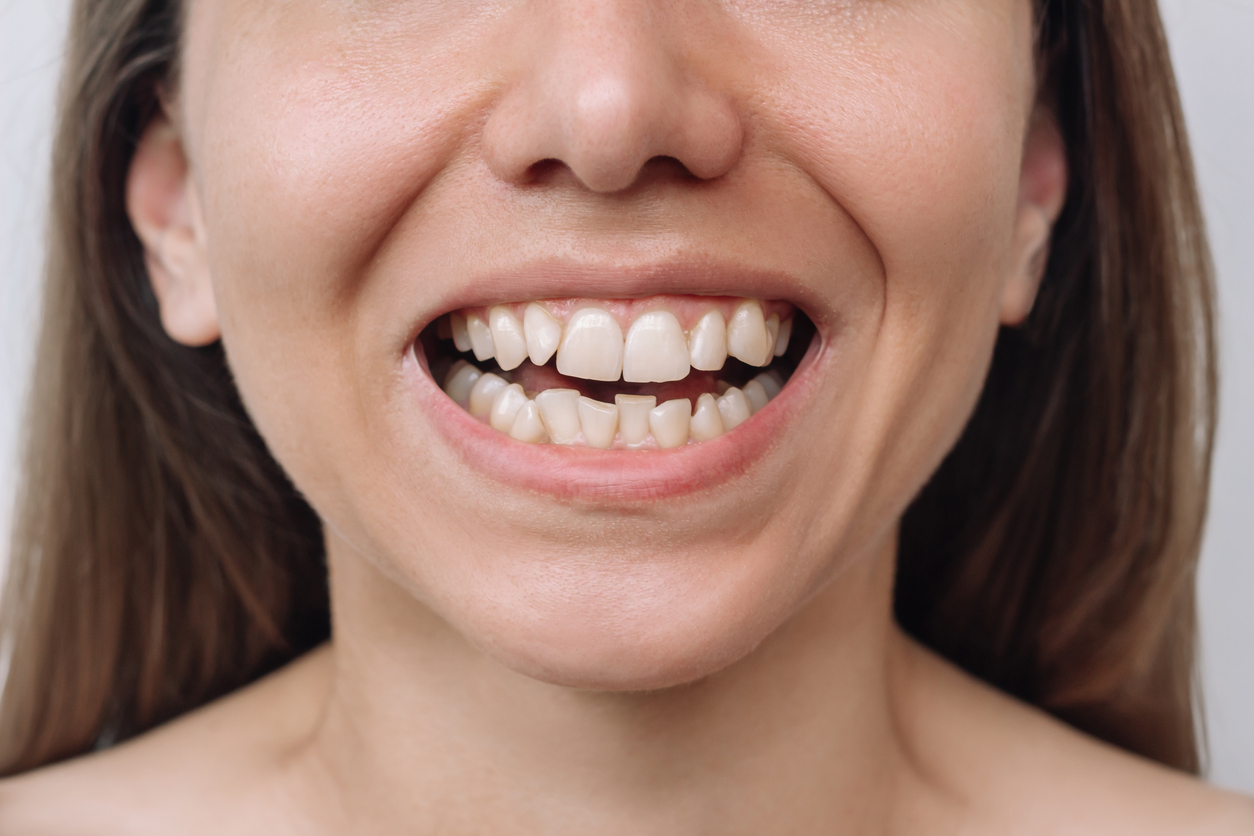
 Crooked teeth are common in children and adults. Some teeth overlap or twist, while others lean inward or outward instead of lining up evenly. Although many people first notice how crooked teeth affect their smile, tooth alignment can also influence how easily they clean their teeth and how their upper and lower teeth fit together.
The good news is that crooked teeth can often be corrected with orthodontic treatment. At McDonough Orthodontics in Murray, Dr. David McDonough and our team help patients understand what is causing their alignment problems and which treatment options may work best for them.
What Causes Crooked Teeth?
There is no single reason teeth become crooked. Often, several factors contribute to the way teeth develop and fit together.
Genetics and Jaw Development
The size and shape of the jaws, as well as the size of the teeth, are influenced by genetics. A person may inherit relatively large teeth, a smaller jaw, or a combination that leaves insufficient room for the teeth to line up properly.
Teeth Crowding
Teeth crowding occurs when there is not enough space in the dental arch for all the teeth to fit comfortably. As permanent teeth emerge, they may overlap, rotate, or come in at an angle. Crowding can affect the upper teeth, lower teeth, or both.
Early or Delayed Loss of Baby Teeth
Baby teeth help maintain space for the permanent teeth developing beneath them. When a baby tooth is lost too early, neighboring teeth may shift into the open space. Conversely, a baby tooth that remains in place longer than expected may interfere with the eruption of its permanent replacement.
Childhood Oral Habits
Prolonged thumb sucking or finger sucking can influence tooth position and jaw development, particularly when the habit continues as permanent teeth begin to emerge. The effect depends on the frequency, duration, and intensity of the habit.
Changes in Tooth Position Over Time
Teeth can also shift gradually throughout adulthood. Someone who had relatively straight teeth as a teenager may notice increasing crowding or changes in alignment later in life.
Can Crooked Teeth Be Straightened Without Removing Teeth?
This is a concern we often hear from people considering orthodontic treatment. They may assume that crowded teeth automatically mean some teeth will need to be extracted.
That is not necessarily the case.
There are different ways to create or manage space during orthodontic treatment, depending on the amount of crowding, the patient’s bite, and the position of the teeth. Many cases can be treated without removing permanent teeth, although extractions may be appropriate in some circumstances.
Dr. McDonough evaluates the overall alignment and bite before recommending a treatment plan. The goal is not simply to make the front teeth look straight, but to achieve an appropriate, functional arrangement of the teeth.
How Does Orthodontic Treatment Correct Crooked Teeth?
Orthodontic treatment uses controlled forces to move teeth gradually into better positions. The most appropriate approach depends on the severity of the misalignment, the bite, and the patient’s individual needs.
Braces
Braces can correct a wide range of alignment problems, including rotated teeth, overlapping teeth, and more complicated crowding. Brackets and wires guide teeth through a planned series of movements.
Clear Aligners
Clear aligners are removable trays designed to move teeth gradually. They may be an option for certain patients with crooked or crowded teeth, although not every alignment problem is best treated with aligners.
Because clear aligners must be worn consistently to work as planned, patient cooperation is an important consideration.
At McDonough Orthodontics, we discuss the available options and explain why one approach may be more suitable than another. Treatment recommendations are based on the individual patient rather than appearance alone.
Benefits of Orthodontic Treatment for Crooked Teeth
A straighter smile is one benefit of orthodontic treatment, but appearance is not the only consideration.
Overlapping or tightly crowded teeth can make brushing and flossing more difficult. Areas that are hard to reach may collect plaque, increasing the risk of cavities and gum inflammation.
Crooked teeth may also affect the way the upper and lower teeth fit together. The American Association of Orthodontists identifies misaligned teeth and bite problems among the common reasons people seek orthodontic care.
However, not every crooked tooth causes a health problem or requires treatment. The important question is whether the alignment affects dental health, bite function, or the patient’s goals.
When Should Crooked Teeth Be Evaluated?
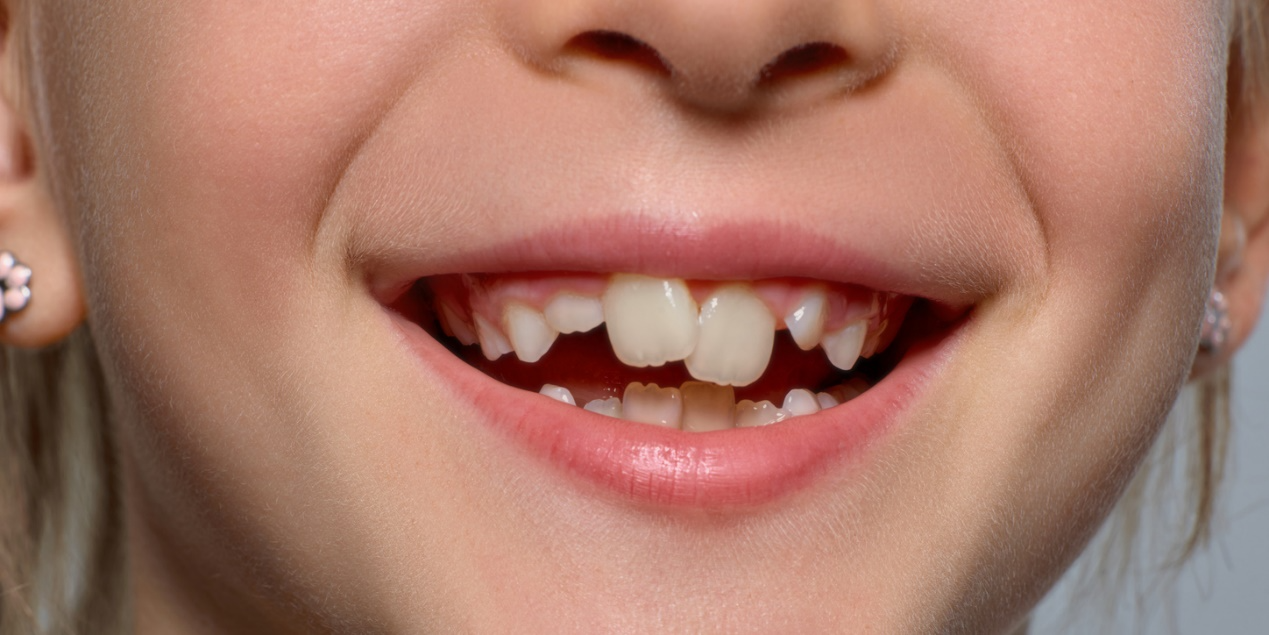 As permanent teeth begin to come in, parents may notice that some are crooked, overlapping, or growing at unusual angles. These changes can raise questions about whether there is enough room for the permanent teeth and whether orthodontic treatment may be needed.
We do not expect parents to know the difference between a developing alignment problem that needs attention and one that can be monitored. Dr. McDonough can evaluate how their child’s teeth and jaws are developing and determine whether treatment is needed or whether it makes more sense to wait.
For children who are not ready for treatment, our Owl Program allows us to monitor their dental development as they grow. This helps us recognize changes that may need attention without starting treatment before it is necessary.
Find Out What McDonough Orthodontics Can Do for Crooked Teeth
Crooked teeth can develop for several reasons, and two people with similar-looking smiles may need different treatment approaches. Understanding the cause of the misalignment is an important first step toward deciding what to do about it.
At McDonough Orthodontics in Murray, Dr. David McDonough and our team welcome children, teenagers, and adults who want to explore their orthodontic options. We can evaluate your teeth and bite, answer your questions, and discuss a treatment plan suited to your needs.
Contact McDonough Orthodontics to schedule an orthodontic consultation and learn how treatment may help improve your smile.