
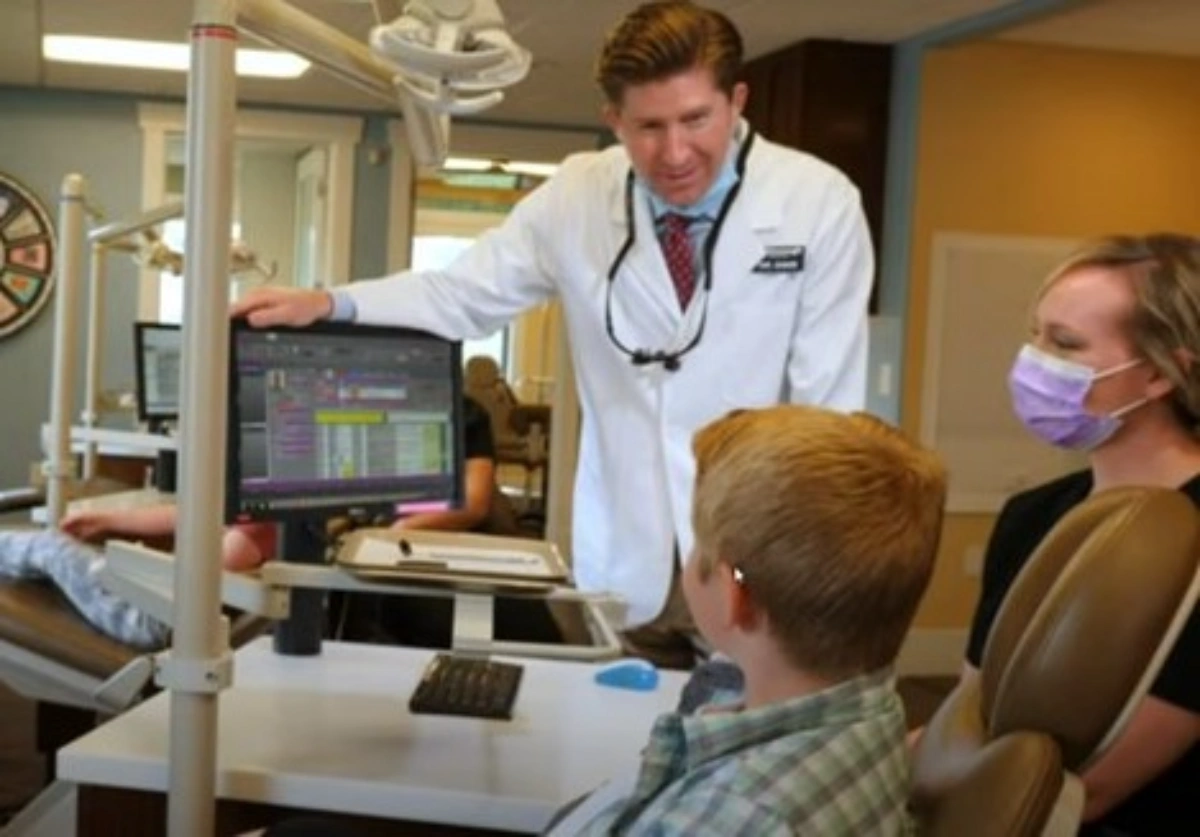
 If you have started researching orthodontic treatment for your child, you have probably come across terms like braces, clear aligners, and Invisalign®. Today, there are several clear aligner systems available, and Dr. David McDonough will recommend the treatment that is best suited to your child’s smile, whether that is traditional metal braces, ceramic braces, or clear aligners.
Choosing the right orthodontic treatment begins with understanding your child’s options. Traditional metal braces, ceramic braces, and clear aligners each offer unique advantages, and the best choice depends on your child’s individual orthodontic needs.
Why There Is No One-Size-Fits-All Orthodontic Treatment
When most people think about orthodontics, they think about straightening crooked teeth. While creating a beautiful smile is certainly important, orthodontic treatment is also designed to improve how the teeth fit together. Correcting bite problems can make it easier to chew, speak, maintain good oral hygiene, and support long-term oral health.
That is why Dr. David McDonough takes the time to carefully evaluate every patient’s smile before recommending a treatment plan. Rather than recommending the same solution for everyone, he considers each child’s orthodontic needs, growth, and treatment goals to determine the most appropriate option.
Understanding Your Child’s Orthodontic Treatment Options
 Traditional Metal Braces
Traditional metal braces remain one of the most effective orthodontic treatments available. Today’s braces are smaller, more comfortable, and more efficient than ever before. They are an excellent choice for correcting everything from mild crowding to more complex bite problems.
Because metal braces stay attached to the teeth throughout treatment, they work continuously without relying on the patient to remember to wear them. This makes them an excellent option for many children and teens.
Ceramic Braces
Ceramic braces work the same way as traditional metal braces but use clear or tooth-colored brackets that are less noticeable when you smile. They provide the same reliable tooth movement while offering a more discreet appearance, making them a popular option for older teens and adults who have cosmetic concerns during orthodontic treatment.
Because ceramic braces are larger and require a little more attention than traditional metal braces, Dr. David McDonough will discuss whether they are the right choice for your child’s orthodontic needs and lifestyle during your consultation.
Clear Aligners
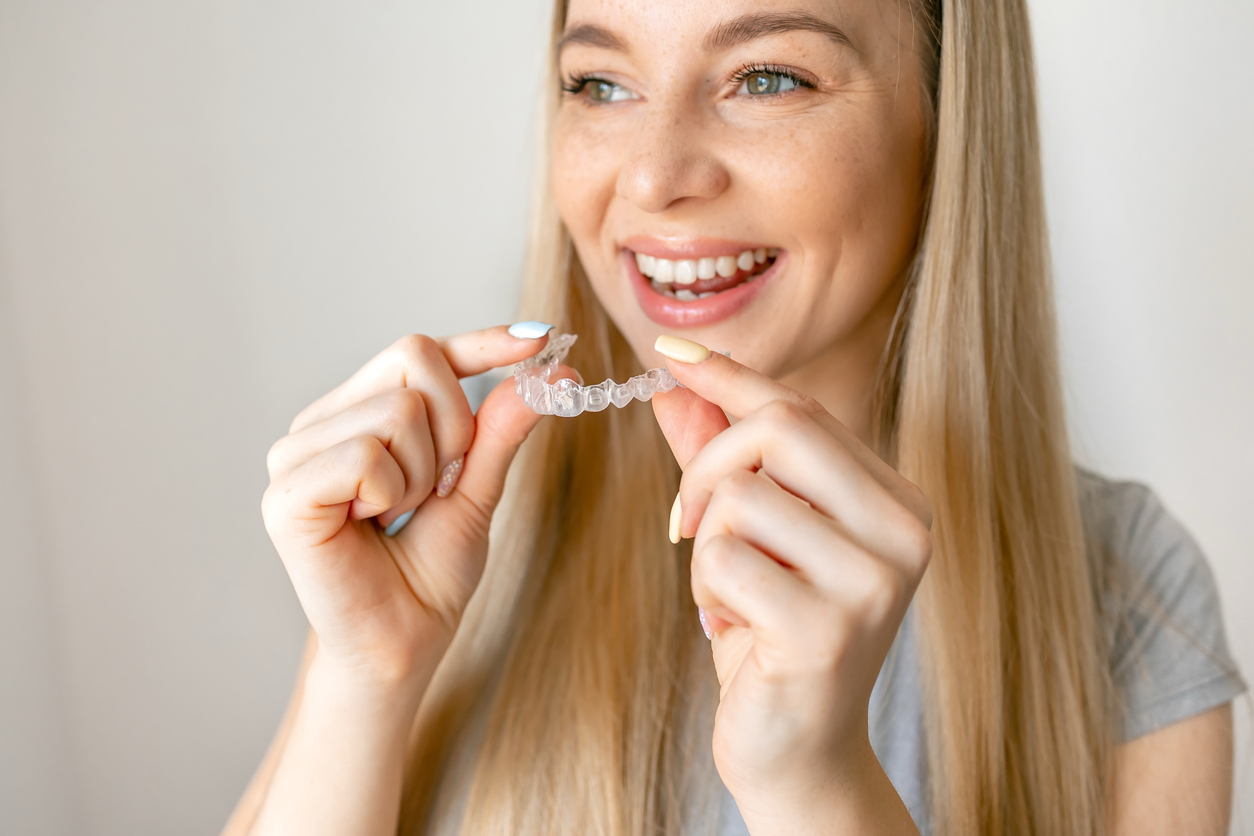 Clear aligners, including Invisalign® and other aligner systems, can be an excellent treatment option for many patients. The removable aligners gradually move teeth into their proper positions while allowing patients to eat, brush, and floss without brackets or wires.
Because they are removable, patients must wear them as directed throughout the day for treatment to stay on schedule. During your consultation, Dr. David McDonough will determine whether clear aligners are an appropriate choice based on your child’s orthodontic needs, treatment goals, and level of responsibility.
Choosing the Best Treatment Option for Your Child
Choosing the best treatment option for your child begins with a comprehensive orthodontic evaluation. Dr. David McDonough carefully examines your child’s teeth, bite, jaw development, and overall orthodontic needs to determine which treatment options are most likely to achieve a healthy, lasting result.
To help your family make an informed decision, Dr. David McDonough evaluates several important factors, including:
Your Child’s Age and Growth
Children and teens are still growing, and that growth can influence orthodontic treatment. Evaluating jaw development helps determine not only which treatment may be appropriate, but also when treatment should begin.
Bite Alignment
Even teeth that appear relatively straight may have bite problems that require orthodontic treatment. Correcting an overbite, underbite, crossbite, or other bite issue is just as important as creating an attractive smile.
The Amount of Tooth Movement Needed
Some smiles require only minor adjustments, while others involve more significant tooth movement. The complexity of the orthodontic correction helps determine which treatment option is most likely to provide the healthiest, most predictable result.
Once Dr. David McDonough has determined which treatment options are appropriate for your child’s orthodontic needs, he will explain the benefits of each option, answer your questions, and help your family choose the treatment that best fits your child’s needs and treatment goals.
Why an Early Orthodontic Evaluation Matters
Some parents do not schedule an orthodontic evaluation until all their child’s permanent teeth have erupted. The American Association of Orthodontists recommends that children have their first orthodontic evaluation by age 7.
An early evaluation does not necessarily mean your child needs braces right away. Instead, it allows Dr. David McDonough to monitor how your child’s teeth and jaws are developing and determine the ideal time to begin treatment, if treatment becomes necessary.
Ask About Our OWLS Program
At McDonough Orthodontics, younger patients can benefit from the OWLS Program, which allows Dr. McDonough to monitor developing smiles over time.
Many children who join the program do not begin orthodontic treatment immediately. Instead, they return for periodic evaluations so treatment can begin at the most appropriate stage of growth. Early monitoring can often identify developing orthodontic concerns before they become more complex and may help simplify future treatment.
Choosing the Right Treatment Starts with the Right Evaluation
Whether your child ultimately benefits from traditional metal braces, ceramic braces, or clear aligners, the most important step is receiving a personalized orthodontic evaluation.
Every child’s smile is different. Dr. David McDonough will recommend the orthodontic treatment that best supports your child’s healthy smile, comfortable bite, and long-term oral health.
If you are wondering which orthodontic treatment is right for your child, schedule a consultation with McDonough Orthodontics. Dr. David McDonough and our team look forward to helping your family understand your treatment options and choose the one that is right for your child’s smile.
Frequently Asked Questions About Types of Braces
Can my child switch from braces to clear aligners later?
In some situations, it may be possible to transition from one treatment to another. Whether this is appropriate depends on your child’s progress and orthodontic needs. Dr. McDonough can discuss your options during treatment if circumstances change.
Are clear aligners always a better choice than braces?
No. Clear aligners are an excellent option for many patients, but they are not the best choice for every orthodontic case. Some bite problems and more complex tooth movements are better treated with braces. Dr. McDonough will recommend the treatment that offers the best outcome for your child’s smile.
Does joining the OWLS Program mean my child will need braces immediately?
No. The purpose of the OWLS Program is to monitor your child’s growth and dental development. Many children simply return for periodic evaluations until the timing is right for treatment, and some may not need orthodontic treatment for several years.
Can my child still play sports or a musical instrument with braces?
Yes. Most children and teens continue participating in sports, band, orchestra, and other activities throughout orthodontic treatment. Dr. McDonough can recommend an orthodontic mouthguard for sports and provide tips for adjusting to braces while playing a musical instrument.